
Views: 0 Author: Site Editor Publish Time: 2025-12-19 Origin: Site


In poultry farming, amino acids sit as the backbone of performance. Among them, methionine is the first-limiting amino acid used in broilers, layers, and breeder operations. When it is insufficient, it slows down growth and causes poor feather development. This is where feed-grade DL-methionine comes in.
In this guide, we’ll break down what feed-grade DL-methionine is, its applications, and its benefits for feather quality.
Feed-grade DL-methionine is a synthetic form of methionine that poultry cannot produce on their own. It is a mixture of two isomers: (1) L-methionine, which is the biologically active form naturally used by birds, and (2) D-methionine, which is efficiently converted to the L-form during metabolism. The mixture of these makes DL-methionine a highly effective supplement in commercial poultry feed.
Feed-grade DL-methionine has a white to light-yellow appearance and is a free-flowing crystalline powder ingredient. It has a high purity that is equal to or higher than 99%. Since natural feed ingredients do not provide enough methionine that birds need, an amino acid supplement is necessary for excellent performance.
Inclusion in feed: DL-methionine is included directly in poultry feed at specific levels depending on the type of bird (broiler vs. layer breeder), stage of growth (starter vs. grower vs. finisher), desired performance (i.e., feather growth or egg production), and current amino acid content of natural feeds.
Absorption in the animal: After the animal has eaten it, the DL-methionine is effectively absorbed into the small intestine, as with other amino acids present in natural ingredients. Once taken up, the D-isomer is changed into L-methionine to enable full usage of the two. This keeps the birds supplied with a continuous amount of amino acids at times when other natural sources fail.
Protein synthesis: Once the conversion occurs, the methionine is discharged into the blood and metabolized into tissues where it is utilized in feather keratin synthesis, muscle protein synthesis, cysteine and taurine synthesis. Due to the feathers being mostly composed of keratin, Methionine and cysteine play a crucial role in the growth of feathers, the repair of feathers, and covering the feathers.
Metabolic functions: DL-methionine in the feed grade can also be used as a precursor to fat metabolism and liver condition, enhancing stress and disease resistance.
Outcome and efficiency: When poultry are fed an adequate amount of DL-methionine, they are more likely to have better feather development and feather cover, an increase in weight, and performance during growth.
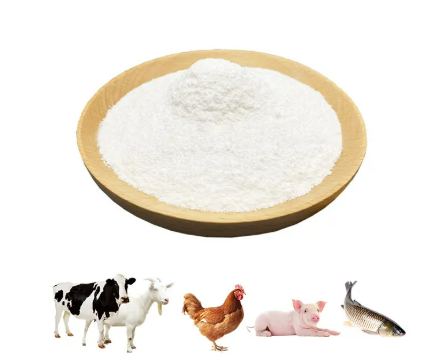
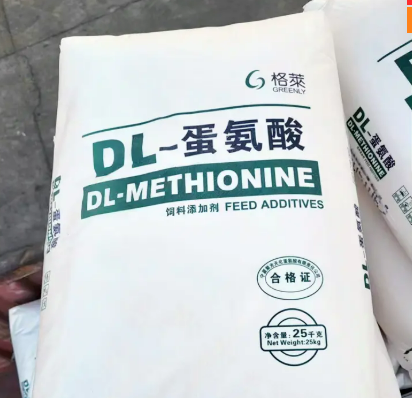
Promotes feather growth and quality: Feathers are made of 85-90% keratin, a protein rich in sulfur-containing amino acids, mainly methionine and cysteine. Without enough methionine, birds cannot develop or maintain healthy feathers. However, sufficient intake of feed-grade DL-methionine enhances feather growth, improves feather coverage, and reduces feather pecking.
Improves growth rate: Methionine is a vital amino acid for muscle protein synthesis. Consuming feed-grade DL-methionine ensures birds get faster weight gain, uniform flock growth, strong skeletal structure, and muscle development. With a balanced intake of amino acids, birds use nutrients more efficiently for healthy growth.
Improves feed conversion ratio: Feed-grade DL-methionine helps birds make better use of the protein, assist in maintaining the balance of amino-acid profiles, minimize the amount of waste produced, and makes their metabolic processes more effective.
Boosts egg production and quality: In the case of layers, DL-methionine improves the quality of eggs and yolk. Moreover, it strengthens eggshells and makes them less prone to breaking. It maintains longer cycles of laying performance and increases feather cover, thus minimizing the energy loss and preventing loss of productivity.
Strengthens immunity: DL-methionine is a precursor to glutathione, which is a potent antioxidant that can help birds to survive oxidative stress and environmental challenges such as heat, overcrowding, exposure to diseases, etc. It also increases liver function and detoxification, and increases the health of the flock in general.
Supports a low-protein diet: Low-crude-protein diets are currently being preferred by modern poultry farms in order to minimize the cost of feed and environmental impact. DL-methionine allows for minimized crude protein content, and performance is not affected. It also helps in reducing the nitrogen excretion, decreasing ammonia, and enhancing the litter quality. Moreover, it assists in managing the cost of feed at an unstable price.
Improves efficiency and profitability: DL-methionine is administered in broilers, layers, and breeders in all stages because it improves productivity. It minimizes the lower feed, improves feather cover, reduces health problems, and production that is consistent results even in demanding environments.
Broiler production: DL-methionine is incorporated in the starter diets, grower diets, and finisher diets to accelerate the growth rate, good muscle mass, ensure excellent feather cover, and ensure uniform body weight.
Layer farms: In order to produce eggs continuously and healthily, layers require methionine. The feed-grade DL-methionine is fed to the pullet stage to peak laying to help maintain feathers. It also causes a constant rate of laying and improved plumage, which minimizes heat loss.
Breeder poultry: Breeder birds require sufficient amounts of methionine in order to improve fertility, hatchability, and quality of their chicks. DL-methionine helps to facilitate good growth of good eggs, metabolism, and immunity. It minimizes cases of mortality and balances growth with no weight problems.
Other specialty birds: Ducks, Quails, and Turkeys require DL-methionine to enhance intensive feather production, the growth rate, and feed efficiency.
Feather maintenance programs: DL-methionine is added to pre-molt or post-molt diets to improve feather regrowth in damaged birds. It is also used to support better insulation and thermal comfort.
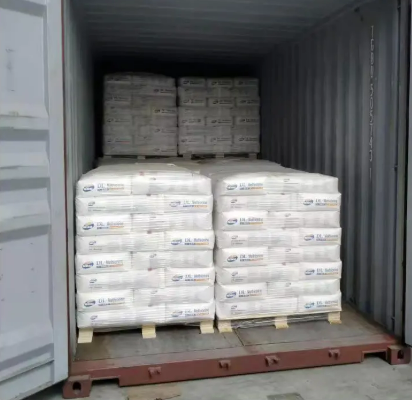
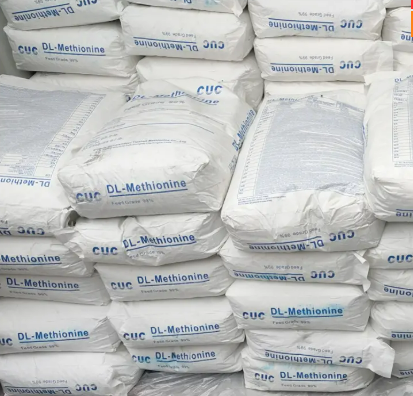
Broilers: Broilers have high methionine requirements, especially during their early growth. For starters (0-14 days), add 0.20% - 0.30% of DL-methionine to their diet for feather development. For the grower (15-28 days), inclusion rates should be 0.14% - 0.18%. Finisher (29-42 days) needs 0.14%-0.18% of DL-methionine for optimal performance. Ensure diets meet Total Sulfur Amino Acid (TSAA) requirements in order to balance low-protein formulation.
Layers: DL-methionine helps in the formation of egg proteins, egg quality, and powerful feathers. Inclusion rates during the pullet stage should be 0.15- 20%. For the laying phase, 0.25-0.30%.
Breeders: This is an essential amino acid that breeders require to achieve maximum fertility and also the quality of the chick. For the pullet stage, feeds should contain about 0.16%-0.20%, for the laying stage, feeds should contain about 0.23%-0.28%. Be careful not to over-supplement, as this will cause overweight breeders and reduce fertility. Balanced it with lysine and other essential amino acids.
Ducks: Ducks and waterfowl require this essential amino acid to grow feathers fast and have a high metabolic rate. Starter feeds must contain 0.23%-0.30% and grower/finisher feed must contain approximately 0.18%- 0.24%.
Turkeys: Turkeys grow fast, thus they need high sulfur and protein-rich amino acids for muscle and feather development. For poults, feeds should have about 0.40%-0.50%, grower feeds should have about 0.30%-0.40%, while finisher feeds should have an inclusion rate of 0.20-0.28%.
Quail: Quail and other game birds have high protein turnover and require accurate measurements of amino acids for balancing. Starter feeds should have an inclusion rate of 0.40%, grower feeds should have an inclusion rate of 0.32%, and layer quail feeds should have an inclusion rate of 0.28%.
Proper adjustments: In case of heat stress, add 5-10 percent of DL-methionine to favor the antioxidant activity. In the case of molting or feather damage, increase the amount of methionine up to the upper range of the recommended range. In low-protein diets, DL-methionine should be added to ensure the balancing of amino acids and sulfur and minimization of the feeding cost.
Mixing and feeding recommendations: To achieve the best results, place in the feed in a pre-mix and then pour it into the primary feed. Keep dry and cool in order to avoid oxidation. Another important thing is adherence to the purity and handling instructions of the manufacturer.
Purity and Quality: Check the supplier’s active content. High purity levels of high-quality DL-methionine are generally 98-99% or higher. Increased purity levels guarantee improved uptake of nutrients in animals. It also results in more predictable dosing and optimum effectiveness in feather and muscle growth.
Source Transparency: Select suppliers who are transparent, reliable, and trustworthy. Select suppliers who offer production processes, source of raw materials, location of factories, and a traceability report. Transparency of a supplier helps reduce the chances of contamination of the product, and thus, the quality of the products is maintained. It also makes sure that the product is safe and within the standards of the industry.
Formulation Compatibility: Make sure that the DL-methionine is compatible with a wide range of poultry animals and conditions of production. For instance, it should be suitable for broilers, layers, breeders, ducks, turkeys, quail, and other specialty birds. Ensure it is also suitable for low-protein diets and heat-stress feeding programs. This ensures that optimal amino acid balance and performance.
Cost-Effectiveness: Consider pricing, especially if you’re working on a budget. However, do not focus on price alone. Consider the cost per unit of usable methionine, feed conversion improvements, savings from reducing high-protein ingredients, and return on investment. A product is cost-effective, not only because it is cheaper or affordable, but it reflects excellent farm performance.
Certifications and Compliance: Select suppliers that have products that adhere to the international standards. As an example, verify applicable quality assurance such as FAMI-QS, ISO 9001 / ISO 22000, GMP / GMP+, HACCP, and third-party laboratory tests. Quality certifications will guarantee the safety, uniform quality, and compliance with the local and international markets.
Supplier support: Not every supplier comes through when one wants to purchase DL-methionine. Good suppliers offer nutritional advice, development of formulations, troubleshooting at farms, as well as tailor-made dosages. They also provide data sheets, technical documents, and have a good return policy. Suppliers' support helps to optimize product performance and reduce feeding errors.
Environmental Impact: High-quality DL-methionine allows low-protein diets, decreases the amount of nitrogen excretion and emissions of ammonia, which reduces the ecological footprint. In other words, it should contribute to a sustainable environment for modern poultry production.
Packaging, storage, and shelf-life reliability: Take into consideration the packaging and storage of the product. Make sure that it is packaged in a moisture-resistant bag with clear production details, ingredient information, and expiry dates. The correct packaging also eliminates clumping, which preserves the nutrient stability of the product and ensures that the product remains in a quality condition till it is used.
Feed-grade DL-methionine is one of the most essential amino acids for promoting feather growth and supporting overall performance. It is suitable across broilers, layers, breeders, and other specialty birds for efficient growth rate and feather coverage.
If you are looking for where to buy quality feed-grade DL-methionine, you’re at the right place. Contact us to request a quote or learn more.
DL-methionine is a synthetic supplement (with a mix of D and L forms), while natural methionine comes from protein-rich foods. Both also differ in conversion efficiency; only L-methionine is directly usable, so the body must convert D-methionine to L-methionine before it can be used for growth.
Yes, an overdose can lead to potential toxicity and cause health problems for animals. It is crucial for birds to consume it in the right amounts.
Visible improvements in feather quality generally appear within a few weeks to a couple of months, with the full growth taking up to four months.
Yes, it is suitable for broilers and layers since they cannot produce sufficient amounts of DL-methionine.
The amount of methionine in poultry feed differs, depending on the bird’s age and purpose, with requirements shifting from starter to finisher diets. A typical inclusion rate is 0.25% to 0.4%.