Views: 0 Author: Site Editor Publish Time: 2025-12-29 Origin: Site


Today, consumers around the world are becoming concerned about chemical preservatives in food. As a result, there is a high demand for natural preservatives to extend the shelf life and control harmful bacteria. That is why natural microbials like Nisin are becoming a popular choice as a healthier alternative to chemical or synthetic preservatives.
Learn what Nisin is and why food manufacturers are adopting it as a safer and more effective alternative. This guide will also explore a buyer’s checklist to help you source high-quality Nisin.
Nisin is a natural microbial antimicrobial peptide that is formed by a bacterium as a result of the fermentation process. It is produced by a natural biological process using Lactococcus lactis, and is also a clean-label solution providing the consumer with minimally processed foods.
It is very effective against a broad spectrum of destructive bacteria that prevent the growth and rotting of microorganisms. It acts by attaching to the bacterial cell wall membrane, interfering with their cell wall, destroying them, and preventing their growth. This move prevents the multiplication of the bad bacteria, hence prolonging the shelf life of the foods.
Nisin has earned the GRAS (Generally Recognized as Safe) status, with a global approval in dairy, meat, beverage, and canned foods.
Chemical preservatives such as sorbates, nitrites, and other artificial or synthetic antimicrobials have been used to slow down the spoilage of foods. However, there have been growing concerns that have made food manufacturers consider a natural alternative. Let’s explore these concerns:
Potential severe reactions: Headaches or dizziness are some of the effects that some people can experience after taking foods containing some synthetic preservatives. Nitrites, as an example, can result in reactions in infants, whereas others, such as sulfites, could trigger asthma-like symptoms in asthmatic individuals. Additionally, excessive intake of preservatives in the form of chemicals has been attributed to digestive discomfort and other forms of intolerance.
Chance in flavor and texture: Chemical preservatives often need higher dosages to be effective. These high concentrations can cause a negative impact on product flavor, aroma, and texture. They can produce an aftertaste and off-notes, reducing sensory appeal.
Regulatory scrutiny: The use of chemical preservatives is closely examined for safety reasons. In some markets, some of the additives are prohibited or limited. Chemical preservatives are not encouraged at all in certain regions.
Consumer rejection: In certain markets, consumers simply refuse to consume food with chemical preservatives. Negative reviews often pose chemical preservatives as a major health concern, causing food manufacturers to consider health-conscious options.
Environmental concerns: Adding chemical preservatives to food may cause non-biodegradable residues to persist in the environment during processing. This may increase the carbon footprint, causing sustainability concerns.
Functional limitations: Certain chemical preservatives are not stable in certain pH conditions. As a result, they degrade during processing, limiting their ability to fight harmful bacteria.
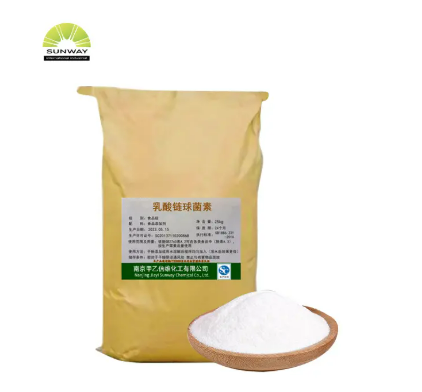
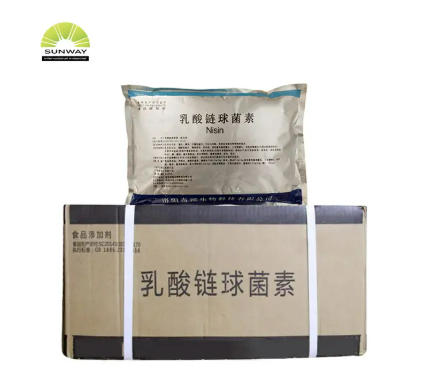
Nisin is naturally produced and is a microbial fermentation product of Lactococcus lactis, a bacterium that can be found in dairy, yoghurt, cheese, and other cultured foods. Consequently, it provides a clean-label response in foods that are stated as having no artificial preservatives, naturally preserved, or clean-label friendly.
No wonder food manufacturers are using it to simplify ingredient lists, reducing chemical additives, and adopting clean-label preservation. It allows manufacturers to produce products without sacrificing safety, minimizing processed ingredients.
Nisin possesses one of the best safety profiles of any food preservative. It is not toxic, not carcinogenic, and has no side effects that are harmful at the correct usage. It does not cause sensitivities or irritations. It has also undergone a variety of regulatory testing, such as GRAS status.
Furthermore, it is a peptide made of amino acids, thus it is processed in the same way as dietary proteins, reducing the risk of digesting harmful byproducts. Thus, it is safely consumed by kids, elderly individuals, adults, sensitive individuals, and others who have allergies or health concerns. It gives peace of mind, aligning with clean and safe formulations.
Nisin possesses high antimicrobial action, particularly against microorganisms that lead to spoilage. It acts in a two-fold process: (1) it attaches to the bacterial cell wall membrane and (2) it creates pores in the cell membrane. This process destroys and destabilizes bacterial cells, slows down the growth of these dangerous microorganisms, and increases the shelf life of food.
Due to its high antimicrobial effect, Nisin is effective even at low concentrations. Thus, it allows food manufacturers to produce healthy foods without overloading them with additives. It is also widely used in dairy, meat, beverages, and canned foods, ensuring stable control of bacterial growth across different production and processing stages.
Nisin is highly effective against target pathogens, particularly Gram-positive bacteria, which are the hardest to control. As a result, it is used in high-risk food categories, like infant foods, meat, dairy, and ready-to-eat meals. These harmful microbes can cause serious health risks, and chemical preservatives may not be effective except when used at high concentrations.
On the contrary, Nisin works even at very low concentrations, targeting specific microbes that are challenging, making it hard for them to survive. Its ability to disrupt the cell's membrane gives it an edge over chemical preservatives. Thus, it is highly valued among food manufacturers who produce foods distributed over long distances or stored for long periods.
Some chemical additives can contribute to antibiotic resistance. As a result, consumers and food manufacturers are concerned about the long-term effects of their overuse. Nisin has no known link to antibiotic resistance. In fact, bacteria have a limited ability to develop resistance since their cells are attacked.
Additionally, Nisin is not used in medicines, so its addition to food doesn’t cause antibiotic resistance. Food manufacturers can use it safely without worrying about it.
Nisin is affordable and cost-effective due to its high effectiveness. Since it works at low concentrations, food manufacturers can achieve strong protection without adding a lot of it. Food manufacturers can attain good protection because it functions at low concentrations; hence, incorporating much of it is not required. It also decreases the returns and complaints of the products by decreasing spoilage even at very low levels.
This natural preservative lowers the production loss and wastage by increasing the shelf life of the products. It also minimizes the use of several preservatives, which allows saving a lot of money and reducing the overall price of additives. It will be a prudent financial decision since it is affordable and has the ability to sustain quality.
Nisin is a natural preservative that inhibits the growth of harmful microbes, which damage food and cause foodborne diseases. Controlling these microbes enables foods to remain safe and have a longer shelf life in terms of production, transportation, and storage.
Nisin also ensures food maintains quality for a longer period without the use of chemical preservatives. This is why food producers use it in perishable foods and other food categories, like beverages, dairy, ready-to-eat foods, and processed meats.
Nisin doesn’t affect the sensory qualities of food. Unlike some chemical preservatives that produce sourness, bitterness, or lingering aftertastes, Nisin doesn’t have such an impact on food. Since it is effective at very low concentrations, it goes undetectable in flavor and texture. Moreover, it preserves the color of the food by preventing negative changes.
As a result of this, food manufacturers do not need to reformulate their products or adjust seasonings to conceal preservative tastes. Thus, foods remain fresh-tasting and minimally processed.
Nisin is highly versatile and compatible. It is effective in high-protein foods like meat and cheese, acidic beverages, canned products, ready-to-eat meals, etc. It is also compatible with various preservation methods, like mild heat treatment, pasteurization, refrigeration, etc. It also functions across various pH ranges.
Its versatility and compatibility make it a top choice for food manufacturers who want to produce a safe, more stable product without depending on chemical additives.
Nisin is produced through a microbial fermentation process; thus, it has a natural origin. Its natural origin causes a lower environmental impact than chemical preservatives. It breaks down harmlessly in the environment, leaving no residues that could cause long-term concerns. It also reduces food waste by enhancing the product’s shelf life and reducing spoilage. Its ability to protect foods with minimal use makes it sustainable.
As a result of this, this preservative reduces waste and offers cleaner production standards. Thus, you can produce healthy meals while reducing chemical footprint.
Nisin has good thermal or heat stability and is practical in cold and hot conditions. Certain preservatives are ineffective at high temperatures, yet Nisin is effective as an antimicrobial agent even under extreme temperatures. As a result, it is ideal for processing conditions that require extreme heat.
Its heat stability also ensures it protects food from production to storage, even under several temperature fluctuations. Food manufacturers do not need to increase concentration levels to compensate for heat loss.
Nisin is fully digested in the body, just like other foods. As a peptide containing natural amino acids, Nisin is digested by enzymes into harmless byproducts that the body can process just like dietary proteins. This digestive action does not leave harmful residues or produce unwanted metabolites. Thus, it is a safe ingredient for kids, sensitive and elderly individuals who want to consume natural products.
Since Nisin is fully digested, it aligns with formulations for cleaner, safer, and natural food products.

Source and Purity: The supplier should be willing to supply high-purity Nisin that has consistent quality to retain its activity against harmful microbes. Otherwise, you’d have varied results in your food products.
Regulatory Compliance: Make sure that the Nisin product has been approved by the authorities in your region of use. It must be regarded as GRAS (Generally Recognized as Safe) and must be utilized in line with the acceptable limit of concentration in your area.
Application Compatibility: Check that Nisin can be used in your existing formulations and processing methods without losing its potency. Test its suitability for the pH, water activity, and temperature of your product.
Cost and Supply Stability: Assess the cost efficiency in the long run and the reliability of the supplier to prevent shortage or fluctuation of prices. Determine the lead time and strength of the supplier against an uninterrupted supply. Assess whether the supplier is a constant quality one.
Environmental Trends: Determine whether the ingredient is natural or not and whether it achieves a clean-label objective. Enquire whether the supplier adheres to the environmental regulations of energy efficiency, minimizes waste of chemicals, and practices sustainable sourcing.
Technical Support: Select suppliers that provide extensive support, such as application trial, microbial testing, use directions, and formulation resistance. Request for documentation to ensure the ingredient passes the relevant authorities to help you produce a high-quality product.
Nisin is a safe, natural, and effective alternative to chemical preservatives, helping food manufacturers to produce healthy products. If you are looking for a trusted supplier for high-quality solutions, contact Sunway Group today.
Nisin is used in the food industry because it is a natural preservative that is safe and effective against harmful microbes that spoil food.
Nisin is considered better than chemical preservatives because it is natural, safe, and effective. It has no impact on food quality and the environment, and it is safely digested by humans.
Nisin cannot completely replace all chemical preservatives. Rather, it is used to reduce or partially replace chemical preservatives.
Nisin is used in a wide variety of foods, like canned foods, processed meats, dairy products, and certain beverages.
Nisin disrupts the cell membranes of harmful bacteria, preventing their multiplication, which slows down food spoilage and extends their shelf life.